
The English Devolution and Community Empowerment Act became law in April. It creates a tier of strategic authorities intended to cover the whole of England, with responsibilities for growth, transport, housing, skills and employment support.
For the established mayoral combined authorities, this builds on a decade of experience. For the foundation and newer strategic authorities, it means standing up an economic development function quickly. Often that function is staffed by people who have come from councils or former LEPs and who have not run a regional growth programme before.
𝗣𝗼𝘄𝗲𝗿𝘀 𝗰𝗮𝗻 𝗯𝗲 𝗰𝗼𝗻𝗳𝗲𝗿𝗿𝗲𝗱 𝗯𝘆 𝘀𝘁𝗮𝘁𝘂𝘁𝗲. 𝗖𝗮𝗽𝗮𝗯𝗶𝗹𝗶𝘁𝘆 𝗵𝗮𝘀 𝘁𝗼 𝗯𝗲 𝗯𝘂𝗶𝗹𝘁
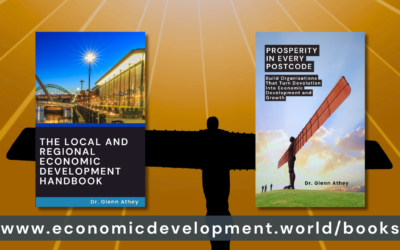
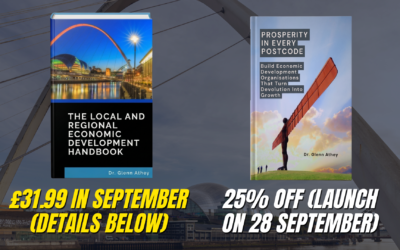
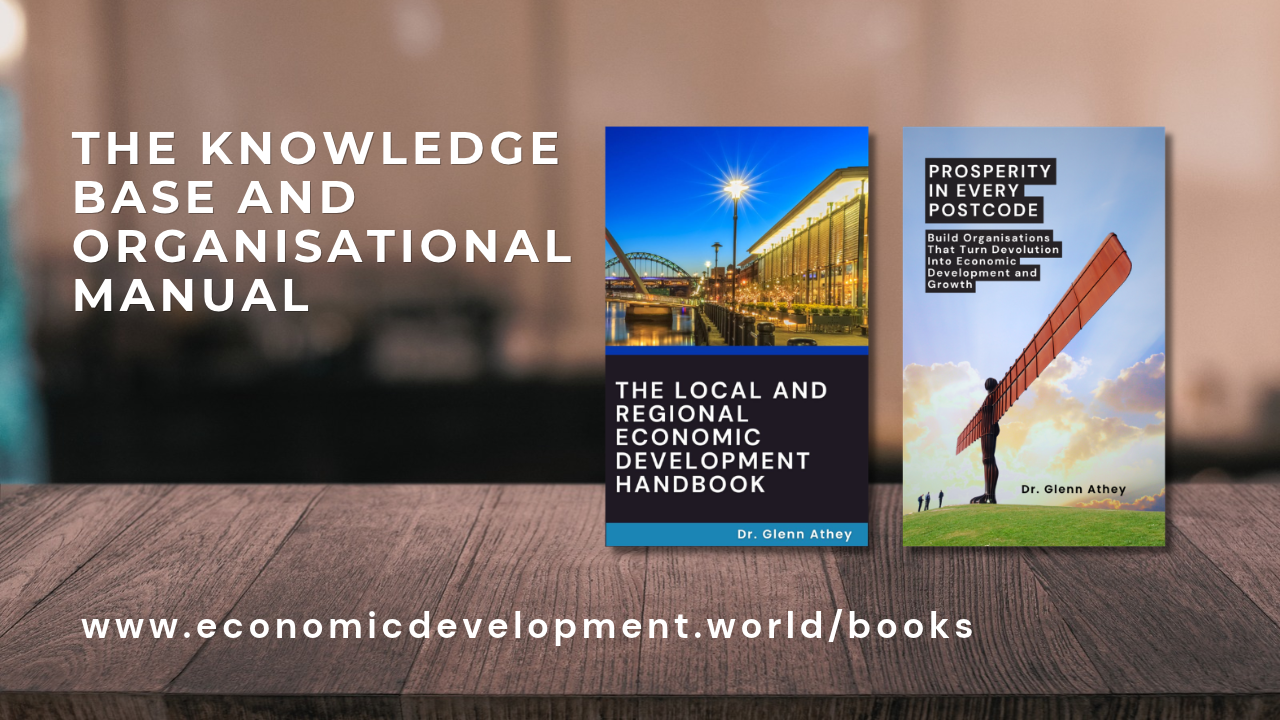
I wrote two books that speak to this.
The Local and Regional Economic Development Handbook is the knowledge base. It covers how to build an evidence base, diagnose a local economy, set priorities, design interventions and evaluate them. A team can use it as a shared reference, and a new starter can use it to get up to speed.
Prosperity in Every Postcode is about organisation. It looks at how to design the structures, governance, partnerships and delivery arrangements that turn a strategy into results. It also looks at why so many growth strategies fall into the delivery gap between what is agreed and what is delivered.
The first book tells you what to do. The second tells you how to organise so that it gets done.
I’ve worked in and around regional development bodies for over 30 years, and I watched the RDAs and then the LEPs get built up and taken down. My view is that the places that make devolution work will be the ones that invest early in their own people and know-how, rather than relying on consultants or waiting for central guidance.
𝙉𝙤𝙫𝙚𝙢𝙗𝙚𝙧’𝙨 𝘽𝙇𝘼𝘾𝙆 𝙁𝙍𝙄𝘿𝘼𝙔 𝙎𝘼𝙇𝙀!
25% all books – www.economicdevelopment.world/books – use discount code BFEDBOOKS26 at checkout
25% off all courses – members.economicdevelopment.world – use discount code BFEDCOURSES26 at checkout
#EconomicDevelopment #Devolution #LocalGovernment #CombinedAuthorities #RegionalPolicy