Source: Combined Authorities (England)
Author: Place Yorkshire
Date published: 2026-03-12
[original article can be accessed via hyperlink at the end]
From offshore wind farms and tidal power to advanced manufacturing and AI infrastructure, the North of England is positioning itself as one of the UK’s most important energy and technology powerhouses.
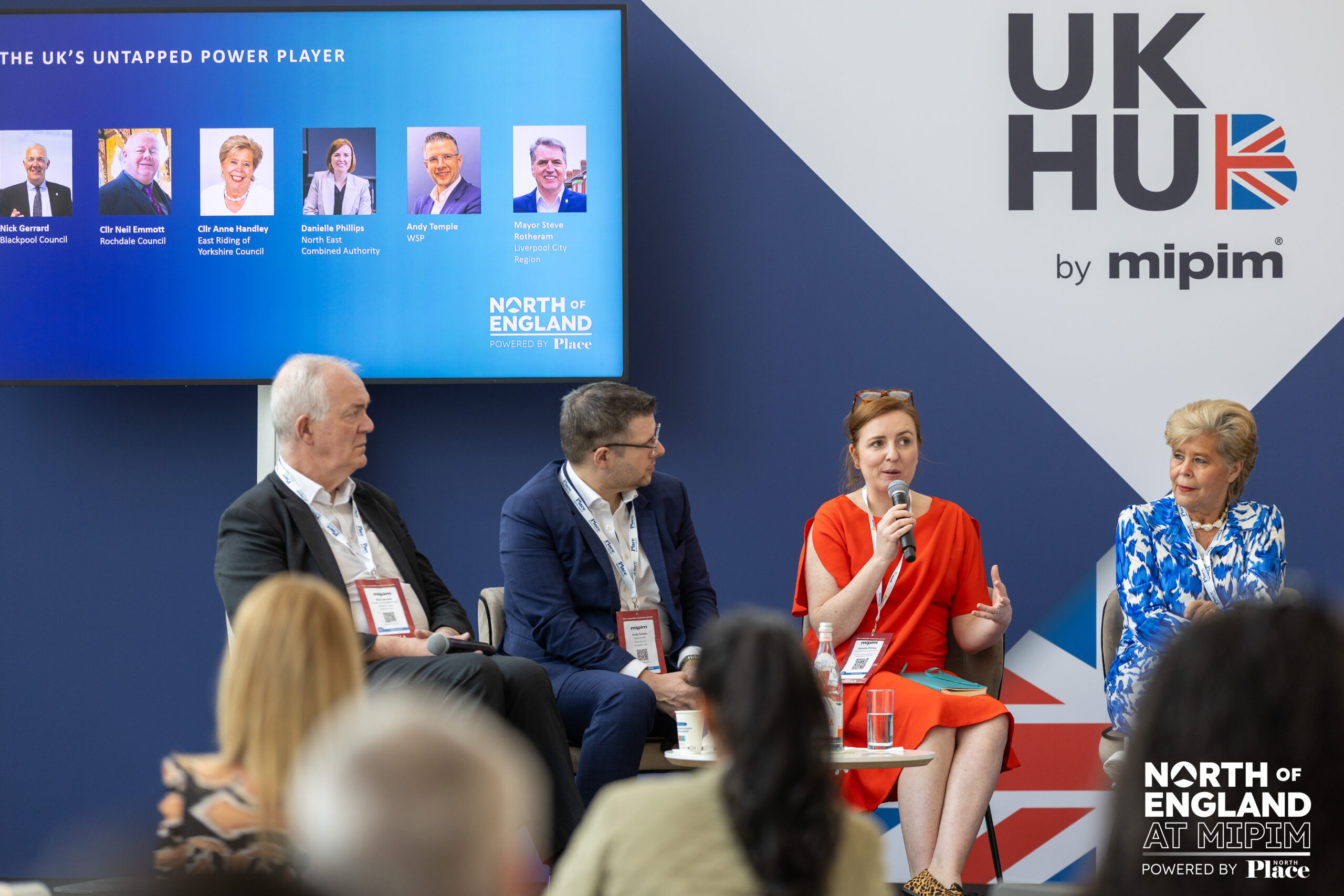
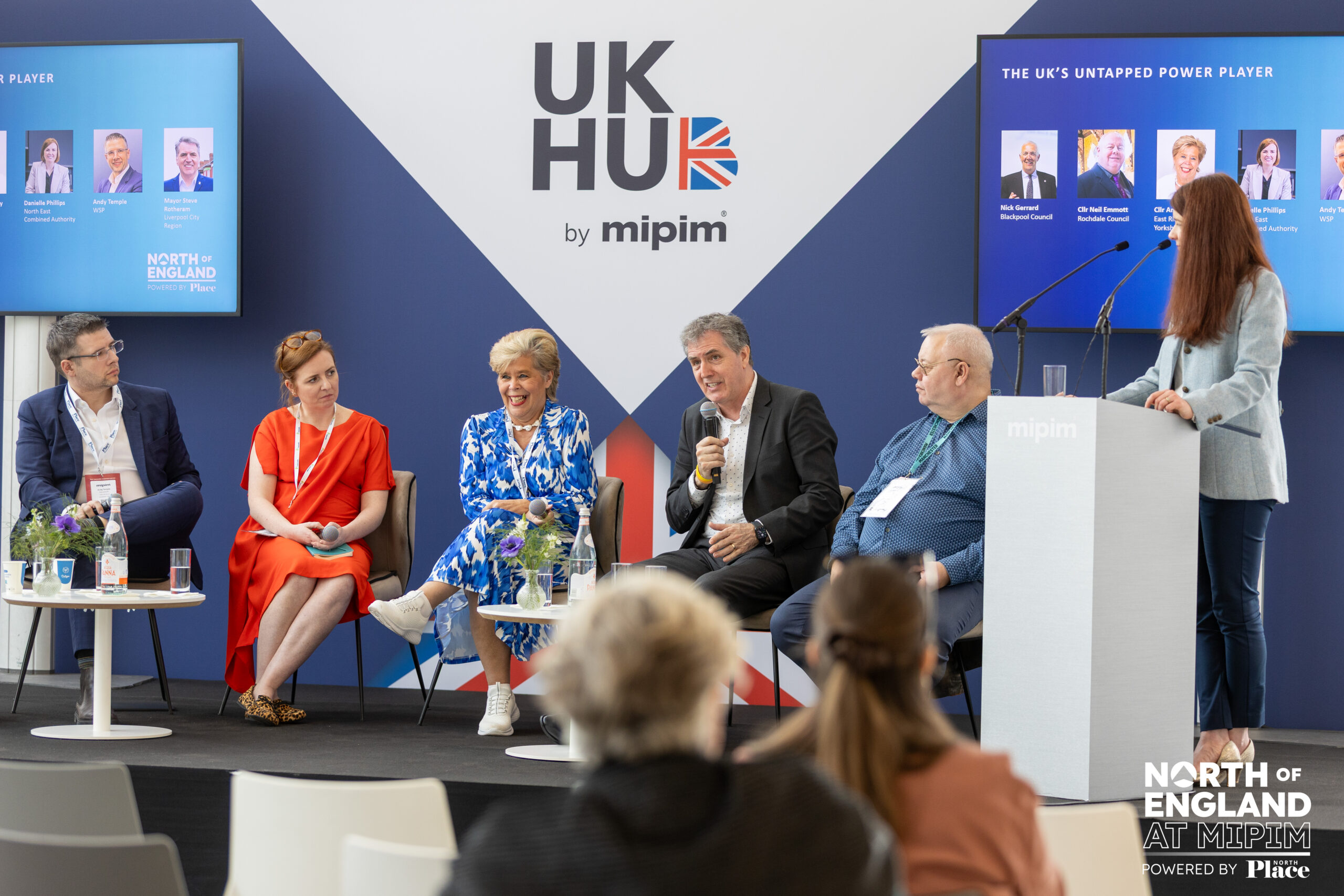
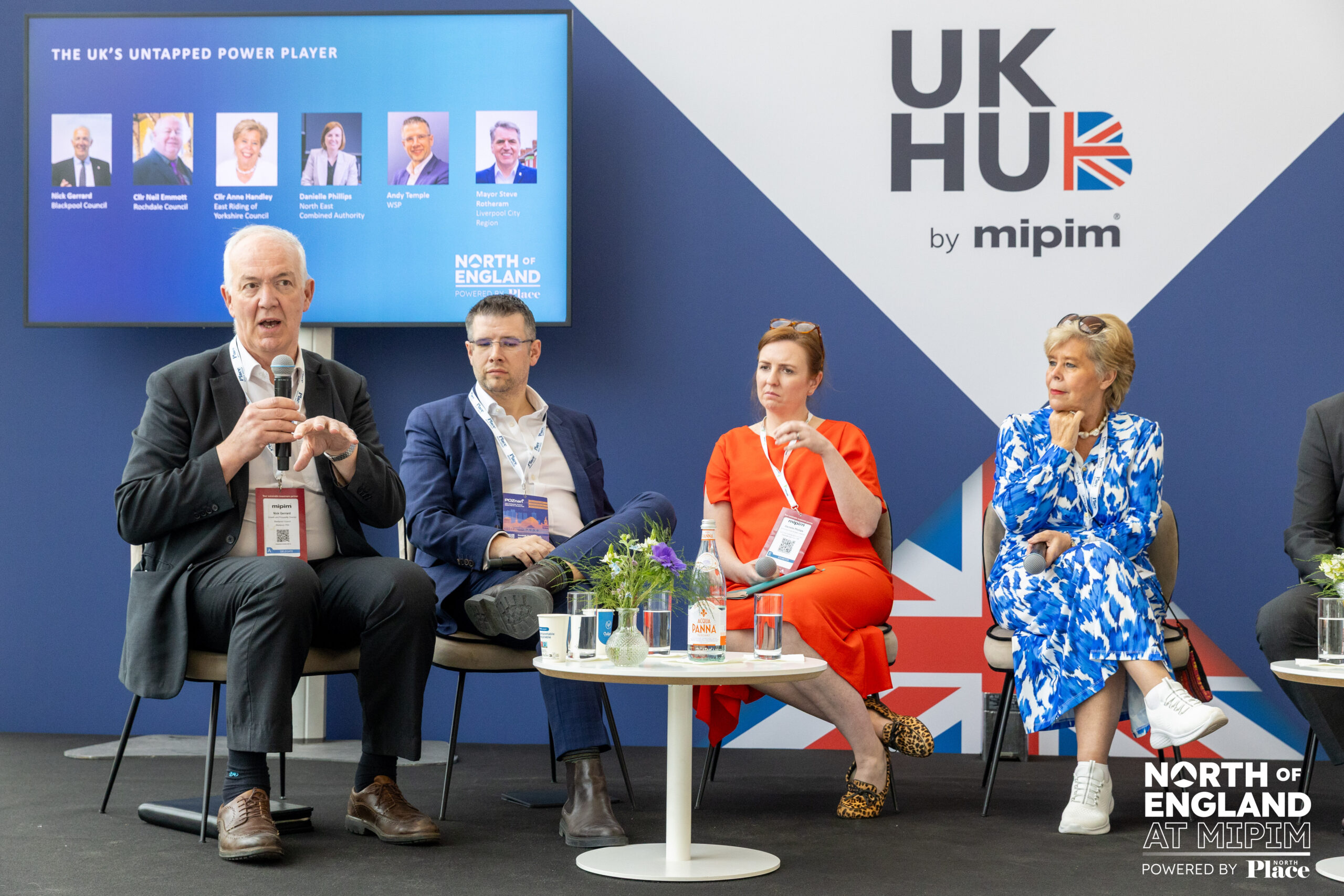
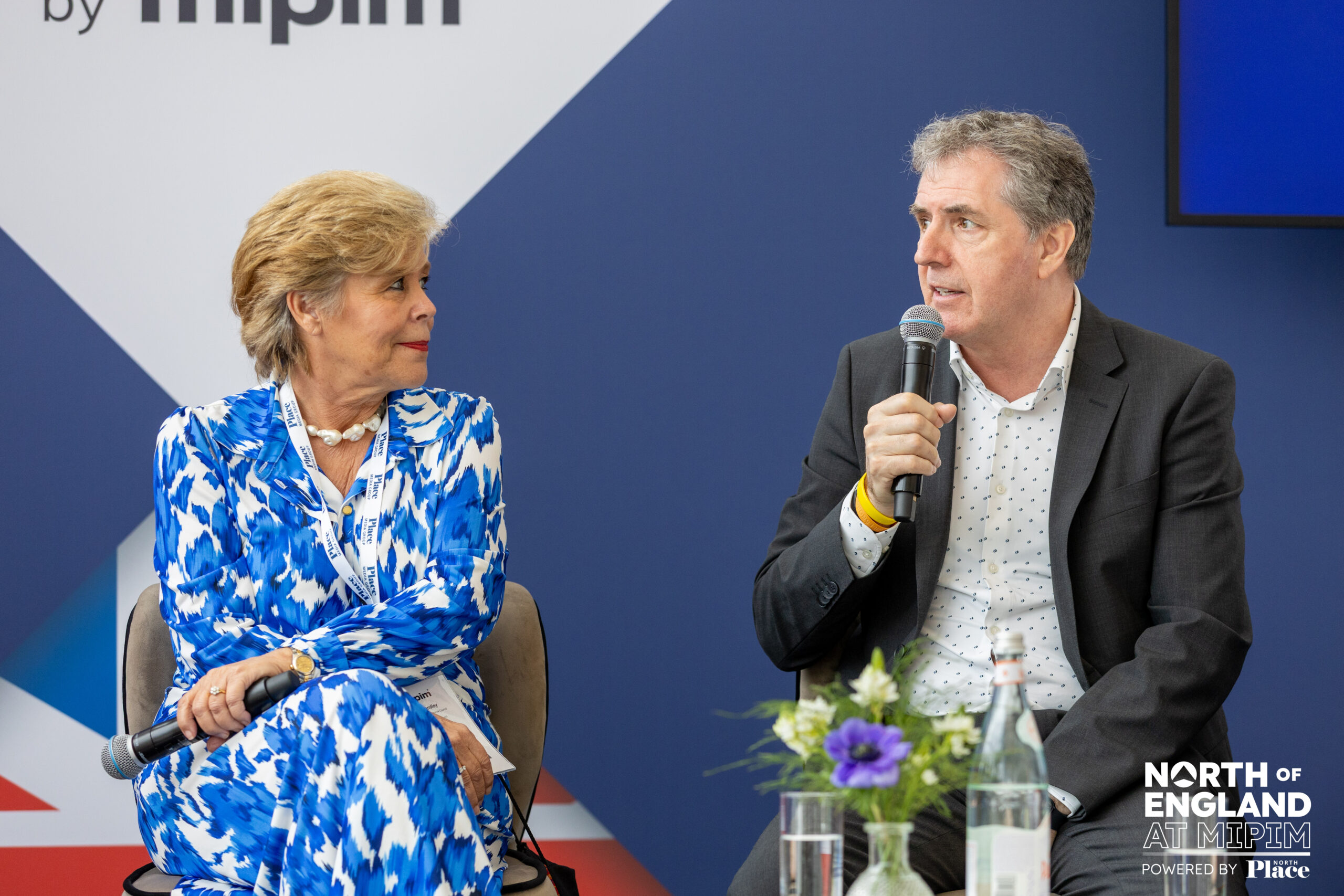
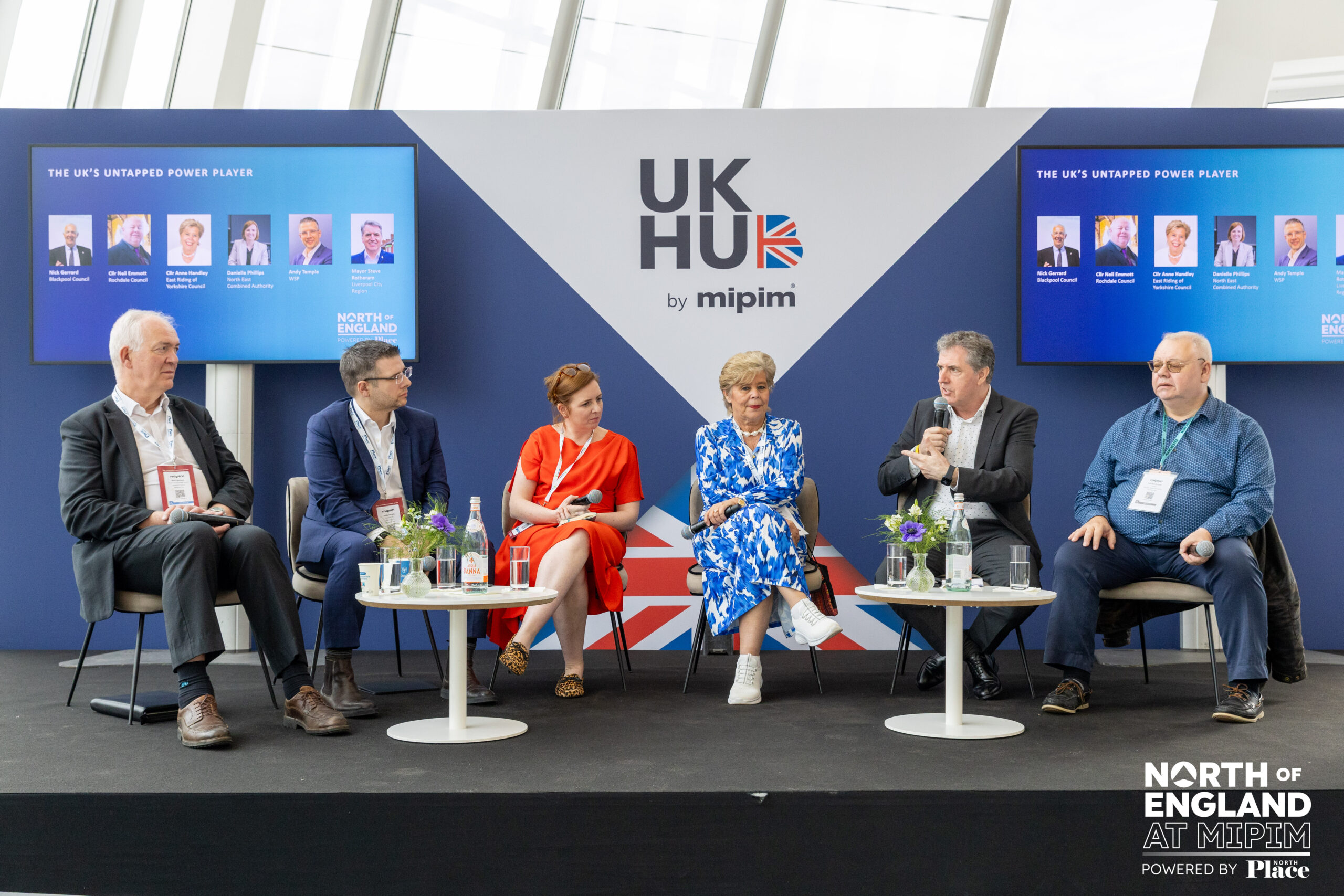
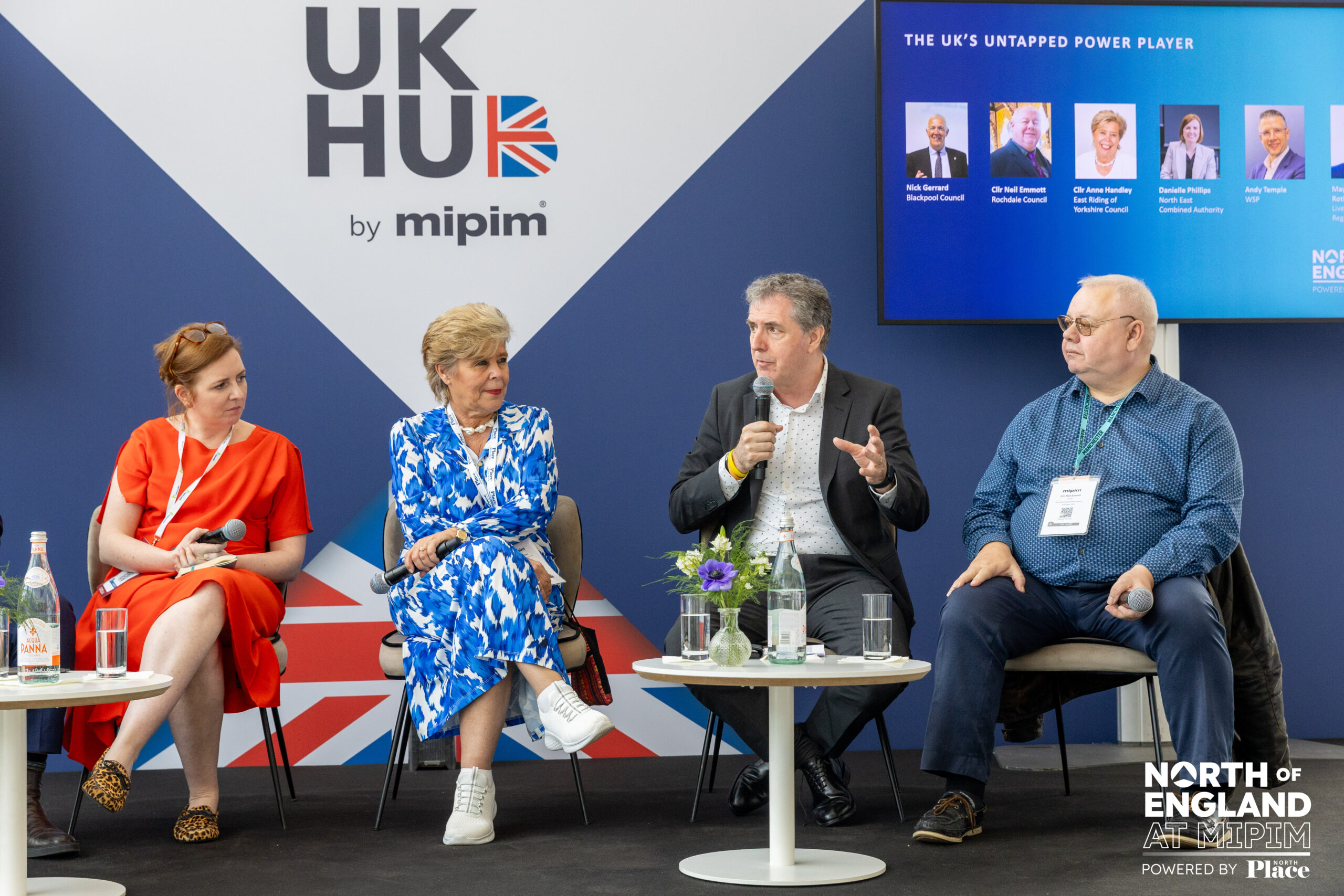
Expert speakers
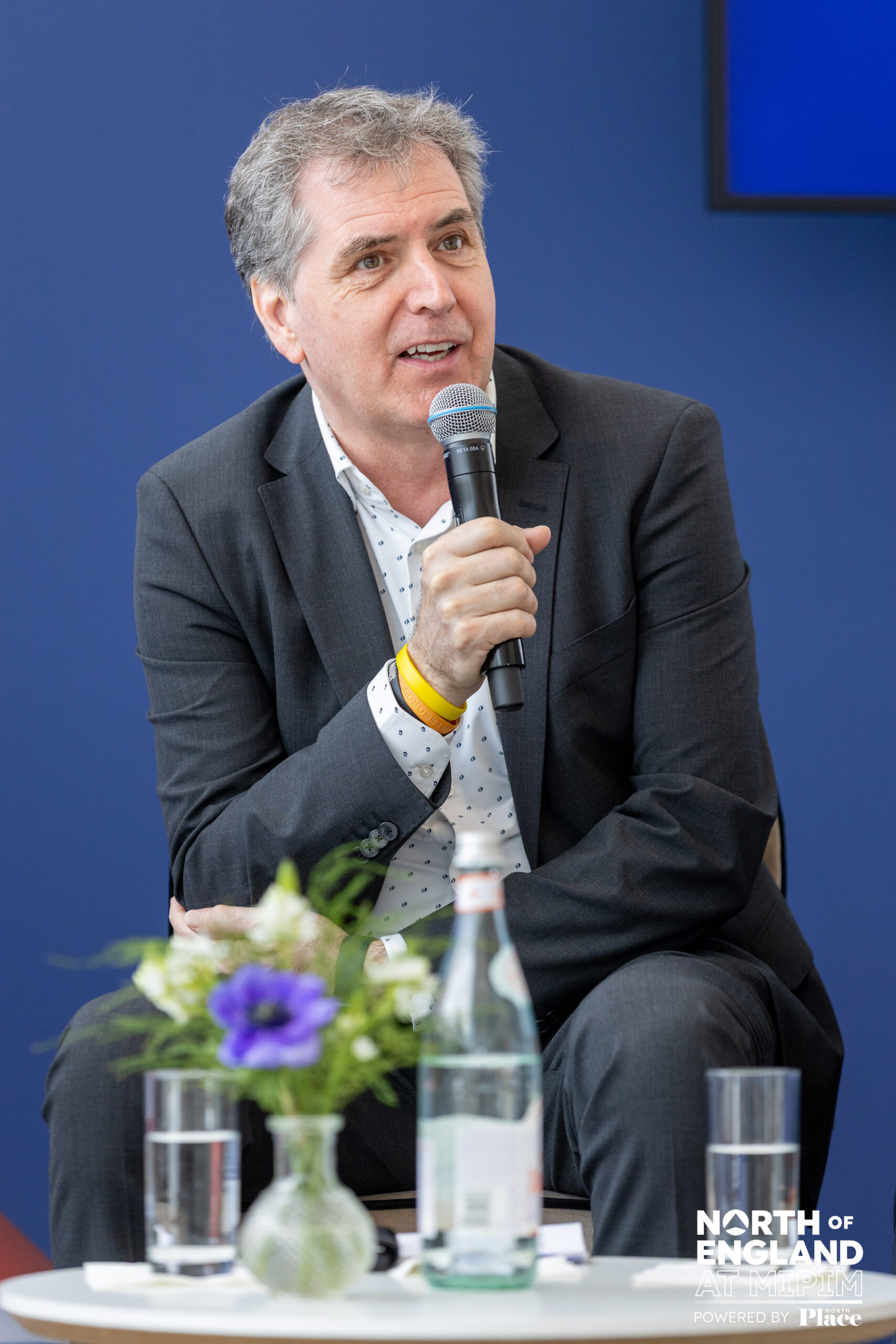
- Steve Rotheram, Mayor of Liverpool City Region
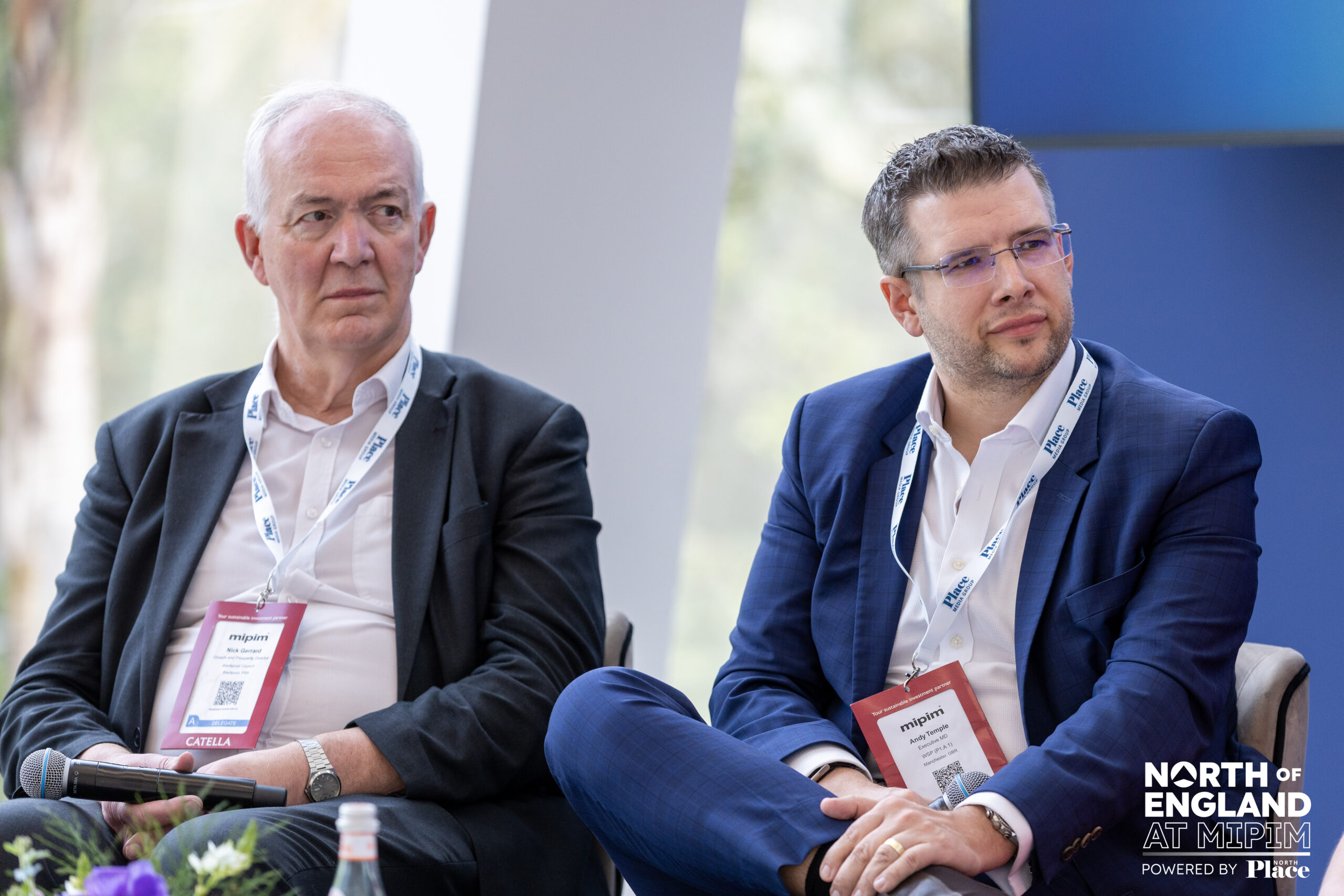
- Nick Gerrard, growth and prosperity programme director, Blackpool Council
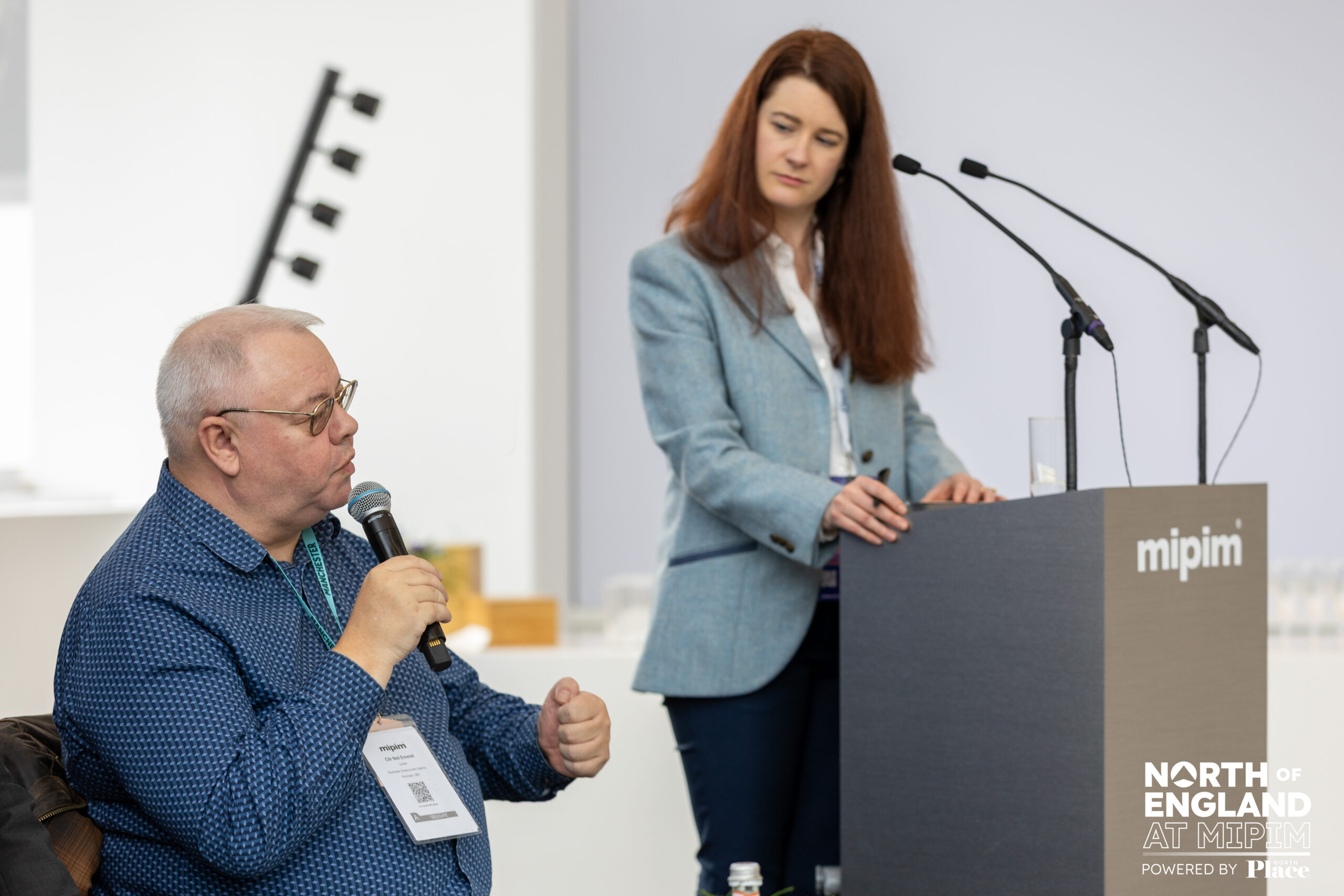
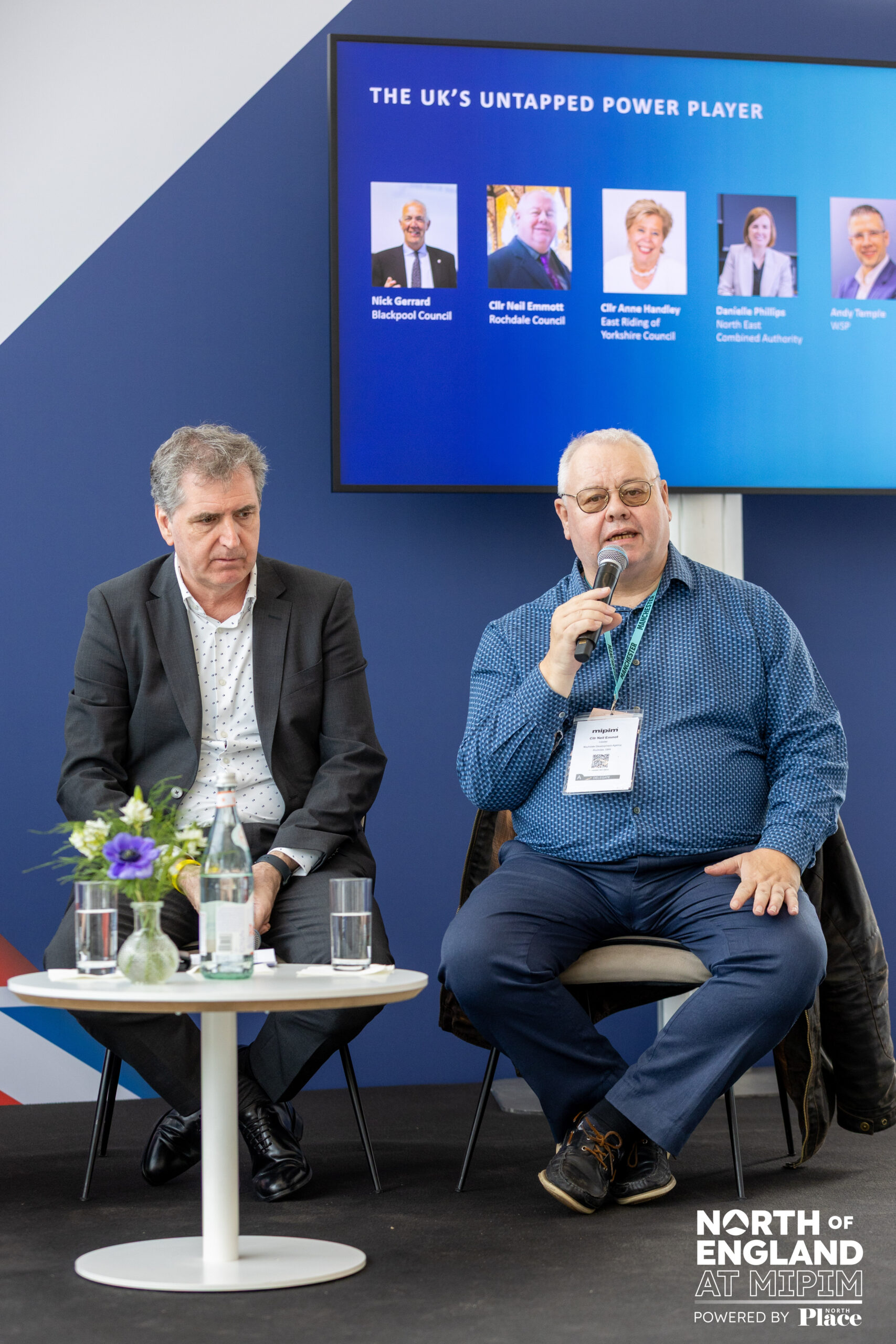
- Cllr Neil Emmott, Leader of Rochdale Council
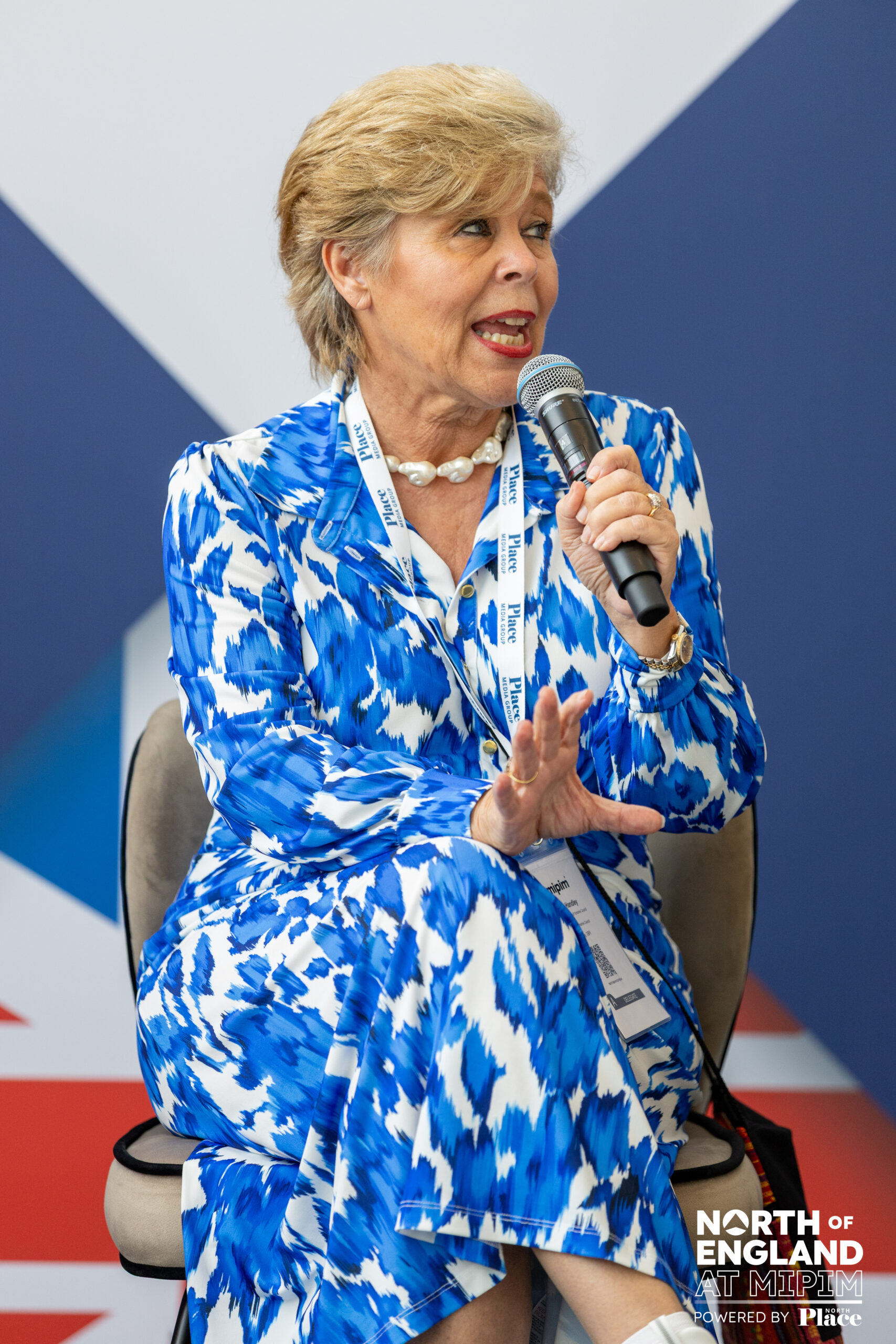
- Cllr Anne Handley, Leader of East Riding of Yorkshire Council
- Danielle Phillips, assistant director of inward investment and business growth, North East Combined Authority
- Andy Temple, executive managing director, WSP
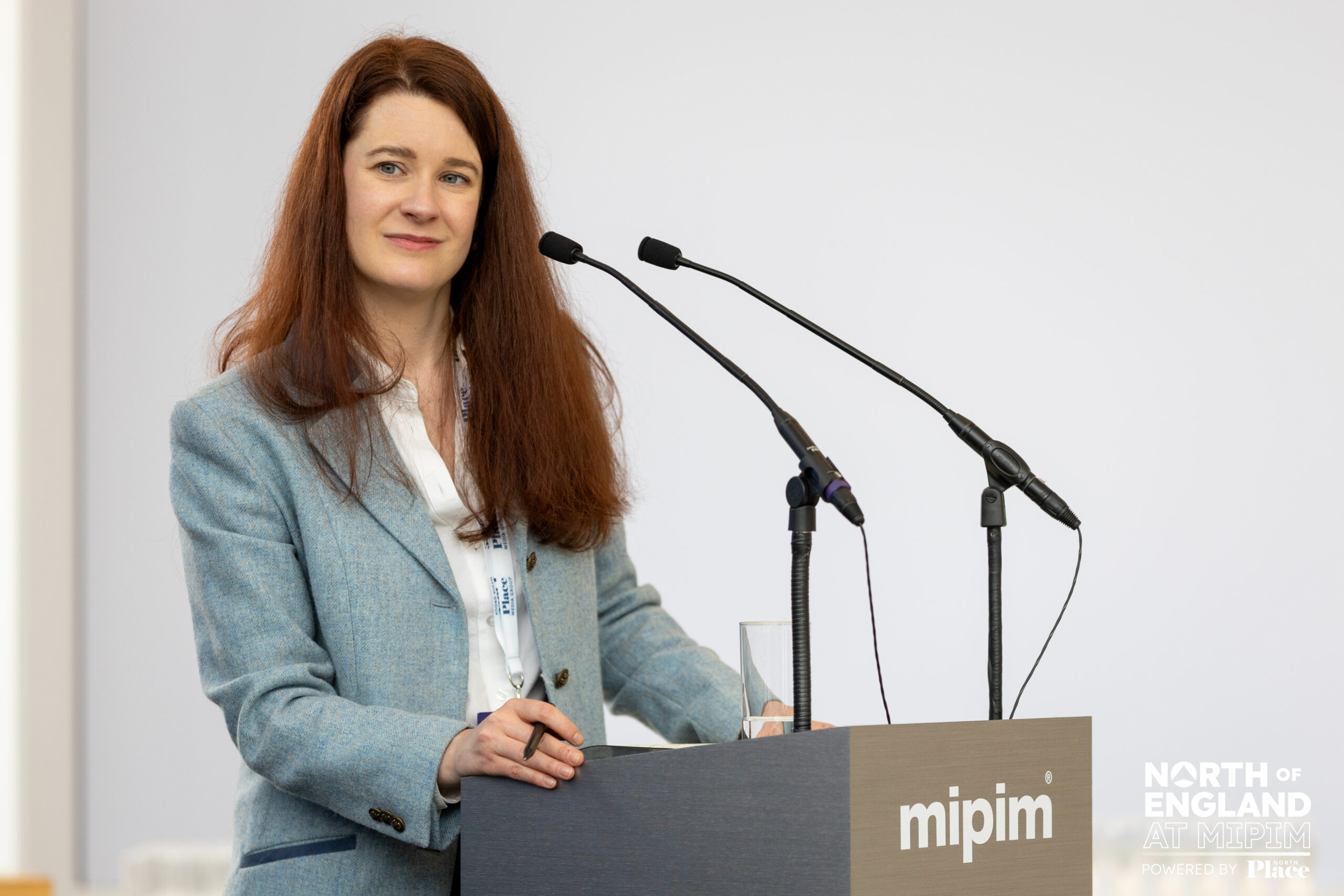
- Chaired by: Julia Hatmaker, Place North
Panellists argued that the North’s industrial heritage, infrastructure, and natural resources now position it at the centre of the UK’s energy transition and future economy. The region’s natural resources, industrial capability, and research strengths could underpin four key growth sectors: energy generation, digital infrastructure, advanced manufacturing and space.
Powering the energy transition
Energy generation was a recurring theme across the panel, several speakers highlighting how the North’s coastline and industrial clusters place it at the centre of the UK’s energy transition.
In the North East, Danielle Phillips pointed to the impact of Dogger Bank Wind Farm, the world’s largest offshore wind farm.
“That gives us the opportunity to have sustainable and secure energy provision for our region,” she said. “Energy security is here to stay, and having that capacity helps secure further investment.”
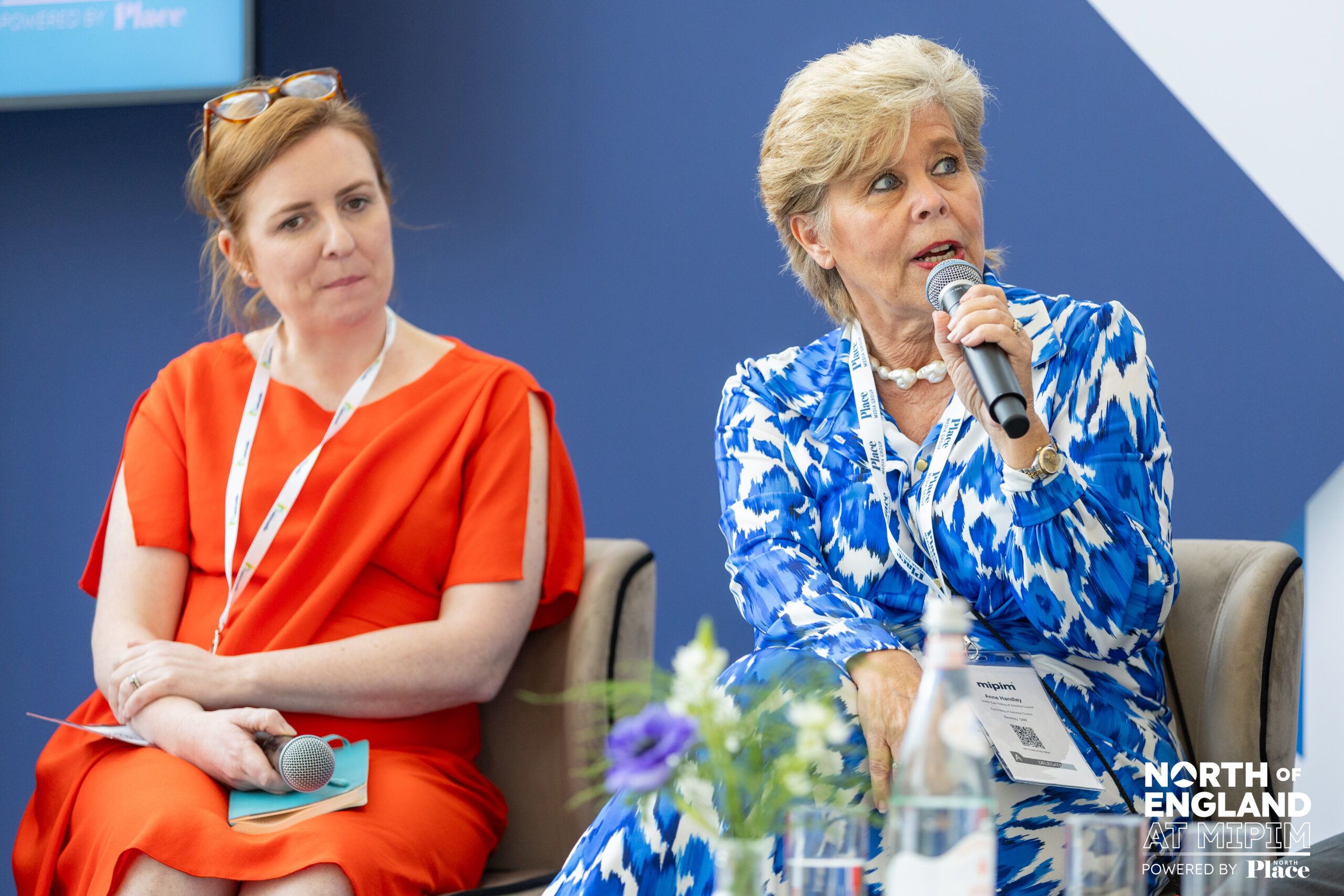
Further south along the coast, Cllr Anne Handley highlighted the role of the Humber and East Yorkshire in the UK’s energy system.
“Forty per cent of the gas that comes into England lands in my patch,” she said. “Energy security is hugely important, and we’re working on carbon capture and storage and green energy to help the country reach its targets.”
Handley added that the region’s industrial base makes it well suited to the next stage of the transition.
“If the government wants to reach its carbon targets, this is something they need to work with us on,” she said.
Meanwhile, in the Liverpool City Region, Steve Rotheram outlined plans for what could become the world’s largest tidal power scheme.
Working with South Korean national energy company K-water, the project could generate around 750MW of electricity.
“They tell us we can deliver the world’s largest tidal scheme,” Rotheram said. “It’s a big opportunity.”
Beyond generating renewable energy, the proposal could also provide flood protection and new transport connections across the River Mersey.
WSP’s Andy Temple noted: “If you look at the UK’s growing energy demands – from offshore wind to small modular reactors in Anglesey – the opportunity is clear: power the transition, and you power advanced manufacturing, from battery facilities to cutting‑edge electronics.”
Infrastructure for digital economy
Alongside renewable power, the panel highlighted the growing importance of digital infrastructure and the vast energy demand it brings.
In Blackpool, Nick Gerrard is working on Silicon Sands, a sustainable data centre development within the town’s enterprise zone.
“We’re tackling two of the biggest global challenges,” he said. “The demand for data and the challenge of reaching net zero.”
The project aims to connect to a new trans-Atlantic subsea cable capable of carrying a significant share of global internet traffic. At the same time, the campus would be powered by renewable energy from offshore wind and solar, with liquid-cooled data centres reducing energy use and waste heat feeding into a district heating network.
“For somewhere famous for tourism, you wouldn’t necessarily expect such a cutting-edge project,” Gerrard said. “But it shows how places like Blackpool are reinventing themselves.”
Rotheram added that Liverpool City Region is also building the digital infrastructure needed for future industries, including supercomputing and AI capabilities linked to research and life sciences: “A lot of the advances we’re seeing now are being driven by AI,” he said. “Having the computing capacity and the research ecosystem around it is incredibly important.”
Reviving advanced manufacturing
Manufacturing remains another cornerstone of the North’s economic ambitions.
In Greater Manchester, Cllr Neil Emmott highlighted Atom Valley, a large employment zone spanning several boroughs.
The development includes sites such as Northern Gateway, Kingsway, and Stakehill and aims to attract advanced manufacturing and innovation businesses.
“We want to bring manufacturing back,” Emmott said. “For too long we’ve taken a piecemeal approach and accepted whatever jobs were available.”
Instead, he said the goal is to create skilled jobs where people are once again producing high-value goods: “These are jobs where people use their skills and take pride in what they produce,” he said.
Investment interest is already emerging from international companies, including major manufacturing firms looking for large sites and skilled workforces.
North East’s space ambitions
Alongside energy and manufacturing, the panel also pointed to the growing importance of the space economy.
According to Danielle Phillips, North East England is developing a strategy focused on satellite data and technology: “We’re really good at designing things and making things,” she said. “That gives us the full range of roles from design through to manufacturing.”
Because the UK does not have the ideal conditions for equatorial launches, the region’s opportunity lies in satellite operations, data processing and analytics. “It’s about receiving, interpreting, and understanding the data coming from space,” Phillips said.
New research and development facilities linked to Northumbria University aim to bring together businesses, academics and communities working in the sector. “That will create opportunities for the region and open the door for new industries,” she said.
Unlocking the North’s potential
Despite the opportunities outlined, panelists agreed that the North still faces significant structural challenges.
Rotheram argued that better infrastructure is essential if the region is to realise its economic potential: “The distances between our cities are unacceptable,” he said. “If you got on a train at Liverpool Lime Street and travelled to Hull, it would take roughly the same time as when George Stephenson’s Stephenson’s Rocket was running nearly 200 years ago.”
Improving east–west connectivity, he said, would unlock the economic potential of a region with around 17 million people.
Speakers also stressed the need to challenge outdated perceptions about the North.
“No – gone are the days of flatcaps and ferrets for Yorkshire,” said Handley. “We’ve got fantastic land values, affordable housing, skilled people, and communities that want to work.”
She added that collaboration between regions will be crucial in attracting investment and driving growth: “We need to shout about what we’re doing. People are starting to pay attention.”
For Phillips, that collective voice is the North’s biggest strength: “We’re good at collaboration,” she said. “If we bring together our strengths – energy, data, manufacturing and skills – the opportunity for the North is enormous.”
As the UK searches for new engines of growth, the panel’s message is clear: the North already holds many of the assets needed to power the country’s future economy.
Click on any image to enlarge