

Source: City Economies
Author: Tuhin Sarkar
Date published: 2026-01-26
[original article can be accessed via hyperlink at the end]

The brutal snowstorm currently gripping Washington D.C., Seattle, Boston, New Mexico, Kansas City, and several other American cities is not only devastating travel plans but also causing huge tourism economy losses across the country. The timing couldn’t be worse. This massive winter storm is wreaking havoc just after the federal government shutdown, trade tariff wars, and the introduction of hefty taxes on travelers. With the visa integrity fee rising and Canadian boycotts still fresh, U.S. tourism faces an unprecedented crisis.
The snowstorm’s impact is felt far beyond the freezing temperatures and treacherous roads—it’s a perfect storm that’s threatening the already fragile tourism economy. Washington D.C. and its fellow cities are suffering severe losses as businesses close and tourists cancel plans amid the chaotic weather conditions. As snow piles up in major cities, airports struggle, and supply chains are disrupted, the ripple effects on the tourism industry are set to be massive.
Don’t miss out on how this storm will change the future of American tourism. Read on to uncover the devastating impact and why 2026 is turning into a nightmare for U.S. tourism.
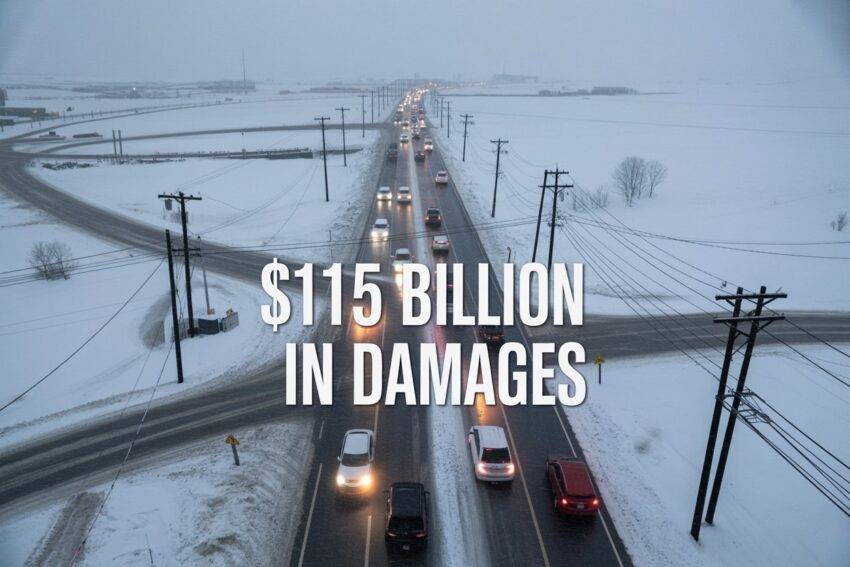
A massive winter storm has descended upon the United States, unleashing chaos across the nation. With more than 200 million people already affected, this storm is set to go down in history as one of the deadliest and most costly weather events ever recorded. Freezing rain, heavy snow, and dangerous cold have not only crippled transportation but also caused life-threatening power outages that could last for weeks. In total, the storm is projected to result in $105 billion to $115 billion in economic losses, making it one of the most expensive disasters the U.S. has ever seen.
With ice-covered roads, flight cancellations, and plummeting temperatures, this storm is proving to be a true test of America’s resilience. It’s wreaking havoc on businesses, homes, and public services, leaving millions to brace for impact as they face days — possibly weeks — of suffering. This is no ordinary winter storm; this is a beast of nature with a price tag no one could have predicted.
A Storm for the Ages: How 2026’s Winter Fury Will Change America Forever
This is not just a storm. This is the winter storm of the century. 200 million Americans have already felt its wrath, with cities from New York to Seattle paralyzed by freezing rain and snow. As icy conditions continue to escalate, the U.S. is grappling with massive economic losses. AccuWeather has warned that the total cost of this storm will be an eye-watering $115 billion, a number that will be felt in nearly every corner of the country. With roads iced over and power grids down, public services are struggling to respond, and emergency crews are unable to reach those in need. The economic fallout is devastating, and it’s clear that this storm will reshape the way America approaches extreme weather preparedness. The impact will linger for years as communities work to rebuild, recover, and reassess how to tackle such historical challenges.
The Cities Crushed by the Storm: New York, Philadelphia, and Washington D.C. Face Massive Damage
New York City, Philadelphia, and Washington D.C. are ground zero for the storm’s destruction. These iconic cities are currently under siege, with snowfall and ice accumulations threatening to bury them under up to 2 feet of snow. The economic consequences are catastrophic, with airports shut down, businesses closed, and public transport suspended. More than 15,000 flights have been canceled as the storm rages on, stranding passengers and causing billions in lost travel revenue. The snow and ice are disrupting not just daily life but also causing huge damage to infrastructure, including roads, power lines, and businesses. As the storm tightens its grip on these cities, widespread power outages are leaving millions in the dark, with recovery efforts hindered by treacherous roads and dangerous conditions. The economic toll on these cities will be felt for months, possibly years, as they recover from the historic devastation
1. New York City
New York City is directly affected by the storm with severe snow accumulations forecasted to reach over half a foot by Sunday night, creating a paralyzed transit system, closed businesses, and delayed flights. The storm’s high economic costs will stem from damages to infrastructure, travel disruptions, and local business closures. New York is also expected to experience extensive power outages as the storm intensifies, making it one of the hardest-hit areas.
2. Philadelphia
Philadelphia is also under threat, with the storm set to dump nearly a foot of snow by late Sunday, leading to massive road closures and delayed flights. As one of the busiest cities on the East Coast, the economic disruption here is considerable, with supply chain disruptions affecting businesses in the region. Power outages are widespread, and local officials have warned about the long recovery time due to icy roads and downed power lines.
3. Washington D.C.
Washington, D.C. is expected to receive more than half a foot of snow and face icy conditions that will paralyze the city. The snowstorm will cause severe economic loss due to shutdowns in businesses, government office closures, and transportation issues. The D.C. metropolitan area is also experiencing power outages, adding to the long-term economic recovery challenges, particularly in the retail and tourism sectors.
4. Boston
Boston is one of the most severely impacted cities, with forecasts showing 1 to 2 feet of snow accumulating over the weekend. The storm’s financial impact is expected to be massive, affecting local businesses, tourism, and supply chain operations in the region. The power outages expected to last days, if not weeks, will also prolong the economic recovery. The storm’s high economic toll will likely be felt for months as the city works to restore essential services.
5. Seattle
In the Pacific Northwest, Seattle is facing the storm’s effects with heavy snow and extreme cold. The city’s transportation infrastructure will be severely impacted, leading to supply chain disruptions and air travel delays. While not facing the same level of snow accumulation as the East Coast cities, Seattle’s economy will suffer from lost business revenue, especially in sectors like tourism, retail, and local services.
6. Kansas City
The midwest is also feeling the brunt of the storm, particularly Kansas City, which is receiving heavy snow accumulations that have led to road closures and traffic accidents. The storm has disrupted local commerce and supply chain logistics, creating massive losses in business revenues. Kansas City is also dealing with widespread power outages, further affecting local businesses and residents.
7. Dallas
Texas is under threat from freezing rain and ice in cities like Dallas, which is seeing dangerous driving conditions and widespread power outages. The economic impact on local businesses is significant, with school closures, workplace shutdowns, and travel delays affecting both the local economy and the wider national economy. The storm has disrupted supply chains and shipping operations, particularly in critical industries.
8. New Mexico
In New Mexico, heavy snow and freezing rain have caused massive disruptions to local transport and power supply systems. The storm’s toll on New Mexico’s economy will be high due to road closures, power outages, and business disruptions in the region. New Mexico is facing billions in losses as residents and businesses try to recover from the storm’s long-lasting effects.
9. Chicago
The Midwest, including Chicago, is facing a major winter storm, with snowfall and extreme cold forecast to affect daily life. Business closures, supply chain disruptions, and delays in transport will likely cost the city billions. Chicago’s winter infrastructure will face extreme stress due to heavy snow and freezing rain impacting essential services.
10. Miami
Even Miami, often associated with warm weather, is feeling the storm’s effects as freezing rain and icy conditions create unprecedented challenges for residents and businesses. The economic damage here comes from disruptions in both the local economy and tourism industry, as Miami grapples with storm-related closures and widespread cancellations in travel.
The Road to Recovery: How This Storm Will Set the Stage for America’s Long-Term Economic Impact
The economic impact of this historic winter storm will continue to ripple through the U.S. for months to come. Experts estimate that the total damages will exceed $115 billion, affecting industries from retail to tourism. With airlines grounded, roads blocked, and businesses closed, the storm’s cost will be felt by every American household. The supply chain disruptions caused by this storm will affect everything from grocery stores to shipping ports. The storm will also delay recovery efforts in many sectors, and the cost of power restoration is expected to skyrocket in the coming weeks. Recovery will take months, and the long-term financial implications will be felt in every city, state, and community. With $100 billion in damages expected, this storm will go down as the most costly severe weather event the country has experienced in recent memory.
Unprecedented Damage and Devastation: America Faces a Long Road to Recovery
America is staring down the aftermath of a winter storm that will change the country’s relationship with extreme weather forever. $115 billion in damages will send shockwaves through every state, especially as businesses and homes face widespread destruction. This storm will be the costliest severe weather event since Hurricane Harvey, especially given the lack of major hurricanes this season. While the storm may have passed by the end of the week, its economic toll will last for years, as communities rebuild and recover. The storm’s devastating impact on the economy, power grids, transportation systems, and personal lives will require a massive national effort to restore normalcy.
In 2025, the U.S. tourism industry faced a significant downturn, particularly in international arrivals, which saw an estimated 6% to 9.4% decline overall. This slump broke the post-pandemic recovery streak and resulted in a projected loss of over $12.5 billion in visitor spending.
The decline was driven by a “perfect storm” of economic, political, and logistical factors:
1. Aggressive New Travel Fees & Barriers
A major deterrent in 2025 was the introduction of new financial and bureaucratic hurdles for visitors:
- Visa Integrity Fee: The implementation of a $250 “visa integrity fee” for travelers from non-visa-waiver countries significantly increased the cost of entry, particularly impacting markets in Africa, the Middle East, and parts of Asia.
- Visa Bonds: Some travelers were required to post visa bonds of up to $15,000, creating a massive financial barrier for middle-income tourists.
- ESTA Price Hikes: Even travelers from “friendly” visa-waiver countries saw fees nearly double, adding friction to previously seamless travel.
2. The “America First” Sentiment & Tariffs
Policy shifts early in 2025 created a “chilly” reception for international guests:
- Canadian Boycotts: Following the imposition of 25% tariffs on Canadian goods in February 2025, Canadian visitation—historically the largest source of U.S. tourism—collapsed. Land crossings from Canada dropped by as much as 32% to 37%, with many Canadians choosing to vacation in Mexico or Europe instead as a form of protest.
- Rhetoric & Perception: Industry experts noted a “wave of negative sentiment” driven by harsh political rhetoric and stricter immigration enforcement. Travelers expressed fears of being unfairly detained or having personal devices searched at the border.
3. High Costs & The Powerful Dollar
The U.S. became one of the most expensive places on Earth to visit in 2025:
- Currency Strength: A potent U.S. dollar made every meal, hotel room, and souvenir significantly more expensive for visitors using Euros, Pounds, or Yen.
- Skyrocketing On-Ground Costs: Inflation hit the tourism sector hard. For example, the cost of a standard two-week tour of the American West jumped from approximately €3,000 to over €5,500 for European travelers, with “breakfast shock” (meals costing $40+) becoming a common complaint.
4. Internal Logistical Shifts
- REAL ID Deadline: The May 7, 2025, deadline for REAL ID-compliant identification for domestic flights caused confusion and travel friction for millions of Americans who were not prepared, slightly cooling the domestic market.
- National Park Fees: Increased entry fees at major landmarks like the Grand Canyon further added to the perception that the U.S. was “no longer worth the cost.”
The Cities Most Impacted: Who Will Bear the Brunt of the Costs?
The storm’s effects are being felt across the U.S., with key cities like New York, Chicago, Philadelphia, and Boston at the heart of the destruction. The economic toll will be the most intense in these major cities as infrastructure damage, supply chain disruptions, and power outages cripple everyday life. These cities are likely to face long-term economic recovery as businesses struggle to reopen, and residents are forced to deal with the financial aftermath of the storm. The U.S. economy will feel the impact of this disaster for months to come, with federal and state governments working overtime to provide relief to devastated areas.
The post Washington D.C. Joins Seattle, Boston, New Mexico, Kansas City and More American Cities Facing Huge Tourism Economy Loss As Brutal Snowstorm Grips, This is Happening Just After Federal Government Shutdown, Trade Tariff War, Hefty Tax, Visa Integrity Fee and Canadian Boycotts appeared first on Travel And Tour World.